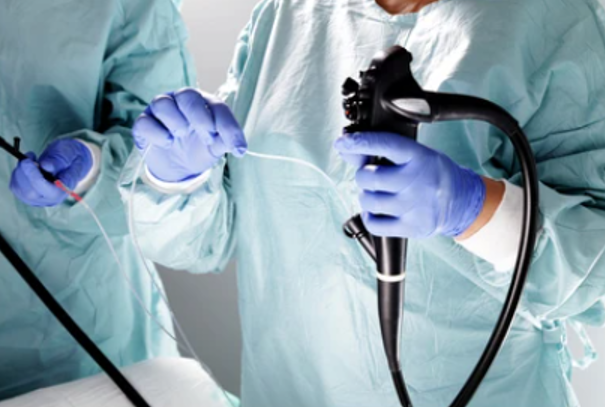
Not sure when to go for a gastroenterology consultation? This blog explains the most common digestive symptoms that you should never overlook and consider seeing a physician at the earliest. Also learn when to go for emergency medical assistance and when normal routine checks will do.
Key Takeaways
- The Warning Signs: Usually, the warning signs are general digestive symptoms that are new, sudden, and cause discomfort and pain.
- The Symptoms to Consider: Symptoms like rectal bleeding, black stool, unexplained weight loss, anemia, changes in bowel habits, abdominal pain, and so on are alarming.
- What Decides Urgency: The severity, persistence, and abnormal health conditions determine whether your symptom is an emergency, urgent, or just needs routine checkups.
Usually, your digestive discomforts get solved on their own. However, some symptoms do not, and if you keep waiting, it can cost you time when the treatable problem is escalating silently.
The most common warning signs that indicate the need for urgent gastroenterology consultation include rectal bleeding, unexplained weight loss, persistent bowel changes, and trouble swallowing. This blog will explain some of the warning signs and how to identify them before it becomes a health risk.
Your Digestive Symptom Can Be a Warning Sign
Most digestive symptoms can be considered as a warning sign if they are sudden, persistent, worsening, or happen alongside alarming factors. These factors include bleeding, unexplained weight loss, swallowing difficulties, or anemia. These factors generally suggest a structural or inflammatory cause that needs medical intervention.
If your symptom is lasting more than two weeks, it deserves attention. Because there is a chance it might be a serious issue like cancer. In Canada, people under 50 years of age are 2 to 2.5 times more likely to be diagnosed with colorectal cancer than earlier generations. This shows that even age is no longer a reassurance; it can happen at any age.
The Symptoms That You Should Not Ignore
The following are the major symptoms that should be considered alarming the moment you notice them.
Rectal Bleeding or Black, Tarry Stools
Hemorrhoids are common, but bleeding can also develop from polyps, ulcers, inflammatory bowel disease, or cancer. You cannot determine the cause at home.
Unexplained Weight Loss
Alberta’s high-risk bleeding pathway treats loss of 5-10% of body weight over 6 months as a warning sign. It can reflect malabsorption or chronic disease.
Iron-Deficiency Anemia
Slow, hidden gastrointestinal bleeding is a recognized cause, and patients with malignant bleeding are commonly iron deficient.
Difficulty Swallowing
This problem is listed as an alarming symptom in gastroenterology guidance, and it may also point to reflux damage or narrowing of the food pipe.
New Bowel Change Over Two Weeks
Ontario lists sudden, persistent diarrhea, constipation, or incomplete emptying as symptoms to report immediately when they appear.
Persistent Abdominal Pain and Jaundice
Not temporary pain, but extreme pain that wakes you and lasts longer than usual when normal medications are no longer effective. Yellowing of the skin is also an alarming symptom (jaundice).
Your Symptoms Decide Whether It’s an Emergency, Urgent, or Routine
Noticing the symptoms doesn’t mean that it is an emergency. There are different urgency levels that you need to consider, and they are:
Emergency: It is an emergency when you are vomiting blood (coffee-ground emesis), passing black stools, or experiencing dizziness or fainting. Also, if you notice sudden and severe abdominal pain, rapid heartbeat, high fever, or dehydration. Call 911 or go to the nearest emergency department.
Urgent: It is urgent when there is recurring visible rectal bleeding, unexplained weight loss, iron deficiency anemia, trouble swallowing, or jaundice. See a trusted physician within a few days and ask about expedited GI referral.
Routine: You will need routine checks if there are new changes in bowel habits that stay beyond two weeks, reflux that is not improving with treatment, and persistent bloating. Book a regular doctor’s appointment and track the symptoms first.
When you notice any of these symptoms, searching “colonoscopy near me” on the internet will always be your natural first step. However, the urgency is dependent on your symptoms and referral, not on distance.
Furthermore, public wait times can vary by province in Canada. So you should consider looking into private colonoscopy (coloscopie au privé) clinics (based on your province’s healthcare options) once your physician confirms that a non-emergency procedure will suffice.
Case Example
A Toronto teacher, aged 47, noticed intermittent bright-red blood and three months of fatigue, assuming hemorrhoids. Her bloodwork showed low iron, and then her doctor arranged a colonoscopy to check for polyps. They found one, and it was removed early.
The Gastroenterologist Takes Up the Case From There
When you are comparing the search results of “colonoscopy near me”, confirm that the endoscopist is a licensed specialist and that the results are sent to your family doctor.
First, they check your medical and family history, then conduct the exam, followed by blood and stool tests. Then they conduct gastroscopy (upper GI) or colonoscopy (lower GI) as warranted.
Polyps are also removed during these tests, as a polyp takes around 10 years to transform into colorectal cancer, which can also be detected through timely investigation.
Whether it is performed in a hospital or through private colonoscopy (coloscopie au privé), sedation options and polyp-removal steps usually follow the same standard procedures.
Caution!
Home FIT Kits are for people who do not have any symptoms. Therefore, if you notice visible blood, black stools, or unexplained weight loss, consult your doctor and inquire whether you will need a diagnostic scope or not. A normal FIT result will be unable to rule out cancer when symptoms are present.
See also: 6 Things That Changed in UAE VAT Law From January 2026
Conclusion
Your digestive symptoms can be a warning sign if they are abnormal or you do not take the necessary steps at the right time. If you notice any of the aforementioned symptoms, do not overlook them and consult a physician to avoid complications.
Looking for Urgent Gastroenterology Consultation?
Trust gastroscopy clinics that ensure timely appointments and have shorter waiting times, especially when the symptoms start getting extreme and need evaluation.
