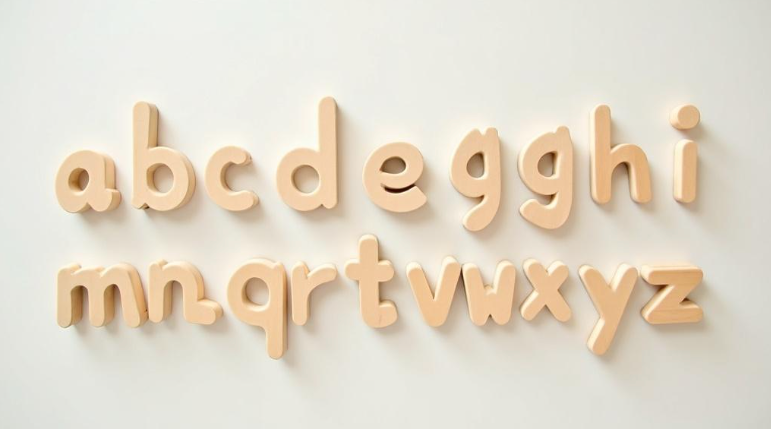
A lot of speech apps look useful until a child actually uses them. The better ones give practice, feedback, and enough structure for a parent to keep going between therapy sessions.
None of the apps on this list substitute for a licensed speech-language pathologist. Treat them as practice tools between sessions, or as a low-barrier starting point while you wait for an evaluation.
For outside context, see this asha.org.
For Toddlers and Early Talkers Who Hate Sitting Still
1. Little Words
Buddy is the AI character at the center of this app, and the design choice matters more than it sounds. The child talks to Buddy in normal conversation. Buddy listens, remembers the child’s name and favorite topics, adjusts its pacing session to session, and never flags an answer as wrong. Instead, it models the correct pronunciation naturally and moves on. No reading required. No menus to tap through. Just talking.
That voice-first, hands-free structure is what separates it from almost everything else in this category. Pre-readers can use it without a parent sitting next to them guiding every screen. Kids who shut down around text-heavy interfaces (common with ADHD and sensory sensitivities) have nothing to shut down at. Before each session, Buddy checks the child’s mood and can dial back its own energy accordingly, which is a small thing that makes a real difference for kids who are already dysregulated.
The adventure worlds (Space, Ocean, Forest, Dinosaurs) frame the practice as play. Speech games like “What’s That Sound” and “Voice Maze” sit inside those worlds so the practice is incidental to the fun. Sessions run 5 to 20 minutes, adjustable by parents. Parents also get a dashboard with session history, weekly progress cards, and SLP-style PDF reports they can bring to an actual therapist appointment.
Pricing is a free trial followed by subscription options managed through the device’s app store. No ads. COPPA compliant. Data is not sold.
Best for: ages 2 to 8, especially neurodivergent kids who resist screen-based drills.
See also: The 2026 Canadian Student Survival Guide: Managing Post-Grad Stress in the GTA and Beyond
2. Speech Blubs
Voice-controlled, which immediately puts it above tap-only apps for very young kids. Speech Blubs has over 1,500 activities built for children with apraxia, autism, speech delay, and ADHD. The app uses video modeling alongside its exercises, so kids watch real faces making sounds rather than just animated mouths. At roughly $14.49 per month or $59.99 per year, it is a reasonable subscription for families who want structured variety.
Best for: parents who want a large activity library and video modeling in one place.
For Targeted Articulation Practice
3. Articulation Station (Little Bee Speech)
Built by actual speech-language pathologists. The app targets specific sounds and phonological patterns across 1,200-plus target words, organized by position in the word (initial, medial, final). The Pro version is a one-time purchase around $59.99, which makes it more economical than monthly subscriptions over a year or two. It is structured and clinical in feel, which some kids find boring but which SLPs often appreciate for the precision.
Best for: school-age kids already working with an SLP who wants structured at-home carryover practice.
4. Tactus Therapy Apps
Tactus publishes a suite of clinical apps rather than one single product, with individual app prices ranging from about $9.99 to $99.99. The apps are detailed, evidence-informed, and designed to be used alongside professional guidance. Not particularly playful. Most appropriate for older children or teens working on specific language targets, or for SLPs assigning home practice.
Best for: older kids (8+) in active therapy who need precise, clinician-selected exercises.
For Children With More Complex Needs
5. Otsimo
Otsimo uses AI to deliver feedback on exercises and is designed specifically for autism, apraxia, Down syndrome, and non-verbal children. It offers over 200 exercises and costs about $6.99 per month, or closer to $4.49 per month on an annual plan ($115.99 lifetime). The AI feedback loop is genuinely useful for families who cannot get frequent SLP appointments and need something adaptive between sessions.
Best for: families of non-verbal or minimally verbal children who need AAC-adjacent tools and AI-adjusted practice.
6. Constant Therapy
Broader age range than most apps here, and evidence-based in its design. Constant Therapy works across language, cognitive, and speech goals, so it can grow with a child who has complex or evolving needs. It is more clinical than playful. Worth evaluating if your child’s profile crosses into language processing or cognitive-communication territory alongside articulation.
Best for: kids with layered diagnoses where a single-focus articulation app is too narrow.
For Language Exposure and Conversation Practice
7. Hallo (and Similar AI Conversation Tools)
Hallo is primarily a language-practice AI aimed at building conversational fluency. It is not a speech therapy tool, and it does not target specific sounds or delays. But for kids who are past the delay stage and working on confidence and vocabulary, AI conversation partners offer something drills cannot: open-ended talking with a patient, non-judgmental listener. Worth pairing with other tools rather than using alone.
Best for: school-age kids building conversational confidence rather than treating a specific delay.
Free and Low-Cost Starting Points
8. ASHA Resources and Library Apps
The American Speech-Language-Hearing Association (ASHA) publishes free guidance for parents at asha.org, including what to expect at each developmental stage and when to seek an evaluation. Many public library systems also license children’s language and literacy apps at no cost through Libby, Hoopla, and similar platforms. Before spending $60 on an app, it is worth spending twenty minutes here.
Best for: families in the early “should we be worried?” stage before committing to paid tools.
When an App Is the Wrong Answer
9. Video Sessions With a Licensed SLP (Expressable and Others)
Expressable is a teletherapy platform that connects families with licensed SLPs via video sessions. It is not an app in the traditional sense, but it belongs on this list because plenty of families buy four apps before realizing what they actually needed was twenty minutes a week with a real clinician. Teletherapy has expanded significantly and is often covered by insurance. If your child has an active diagnosis or a significant delay, this is the category to start in, not supplemental apps.
Best for: any child with a formal diagnosis, significant delay, or whose app usage is not translating to real progress.
10. Nothing (Sometimes)
Late talkers between 18 and 30 months sometimes just need time, rich verbal input from caregivers, and a proper evaluation, not a subscription. Screen time recommendations for under-twos are still conservative for good reason. An evaluation from a pediatric SLP (ask your pediatrician for a referral, or self-refer to early intervention programs in your state, which are often free) gives you an actual map. Apps can follow. They should not lead.
Best for: parents of toddlers under two who are unsure whether an app is appropriate at all.
A Note Before You Buy
Subscription fatigue is real, and kids drop apps fast. Start with free trials where available. Download one app, not three, and give it two genuine weeks before judging. And if your child is working with an SLP already, ask that clinician before adding anything, since some apps reinforce patterns therapists are actively trying to change.
Common Questions
Is Little Words actually useful for a child with apraxia, or is it too casual?
Little Words is designed for general speech practice and early talkers, not specifically for apraxia treatment. Apraxia requires motor-planning work that a conversational AI character cannot replicate. Use it as a confidence-building supplement between sessions, not as a primary intervention. Your SLP should direct the core program.
At what age does Articulation Station stop being the right fit and something like Tactus make more sense?
Articulation Station works well roughly through age ten or eleven, when kids still respond to its structured word-level drills. Tactus apps are better suited once a child is mature enough to work through clinical-feeling interfaces without losing interest, which typically means twelve and up, or younger if they are highly motivated and already therapy-experienced.
Speech Blubs and Otsimo both target autism and apraxia. What actually separates them for a parent choosing between the two?
The main practical difference is price and emphasis. Speech Blubs costs about $60 per year and leans on video modeling with real faces. Otsimo costs about $54 per year on an annual plan and puts more weight on AI-adjusted feedback loops. If your child responds better to watching humans model sounds, Speech Blubs fits. If adaptive pacing matters more, Otsimo is the stronger pick.
Can a parent use Expressable’s teletherapy sessions alongside one of these apps without the SLP objecting?
Most Expressable SLPs will welcome it if you ask first. The concern is not apps in general but apps that target the wrong sounds or use feedback methods that conflict with what the clinician is doing. Bring up whatever you are using at the first session. A good clinician will either endorse it, suggest modifications, or explain specifically why a particular app is counterproductive for your child’s goals.
How do you know when an app is actually working versus just keeping a kid occupied?
Look for carryover, not in-app scores. If your child starts using a sound correctly in spontaneous conversation outside the app, that is real progress. If they score well inside the app but the sound disappears the moment the screen is off, the app is functioning as entertainment. SLP-style PDF reports from apps like Little Words give you something concrete to compare against a clinician’s observations.
Sources
- American Speech-Language-Hearing Association (ASHA): asha.org (developmental milestones, parent resources)
- ASHA ProFind: licensed SLP locator, publicly available
- Articulation Station by Little Bee Speech: App Store and developer site, pricing verified
- Otsimo: official pricing page, publicly listed
- Speech Blubs: official pricing page, publicly listed
- Expressable: expressable.com, teletherapy service description
- Tactus Therapy Solutions: tactustherapy.com, app catalog and pricing
- U.S. Department of Education, IDEA Part C: early intervention eligibility information
